01 · Geography of power
The city that was invented
Kaduna is not an ancient Hausa city. It was drawn on a map as a capital — and that origin still decides who counts.
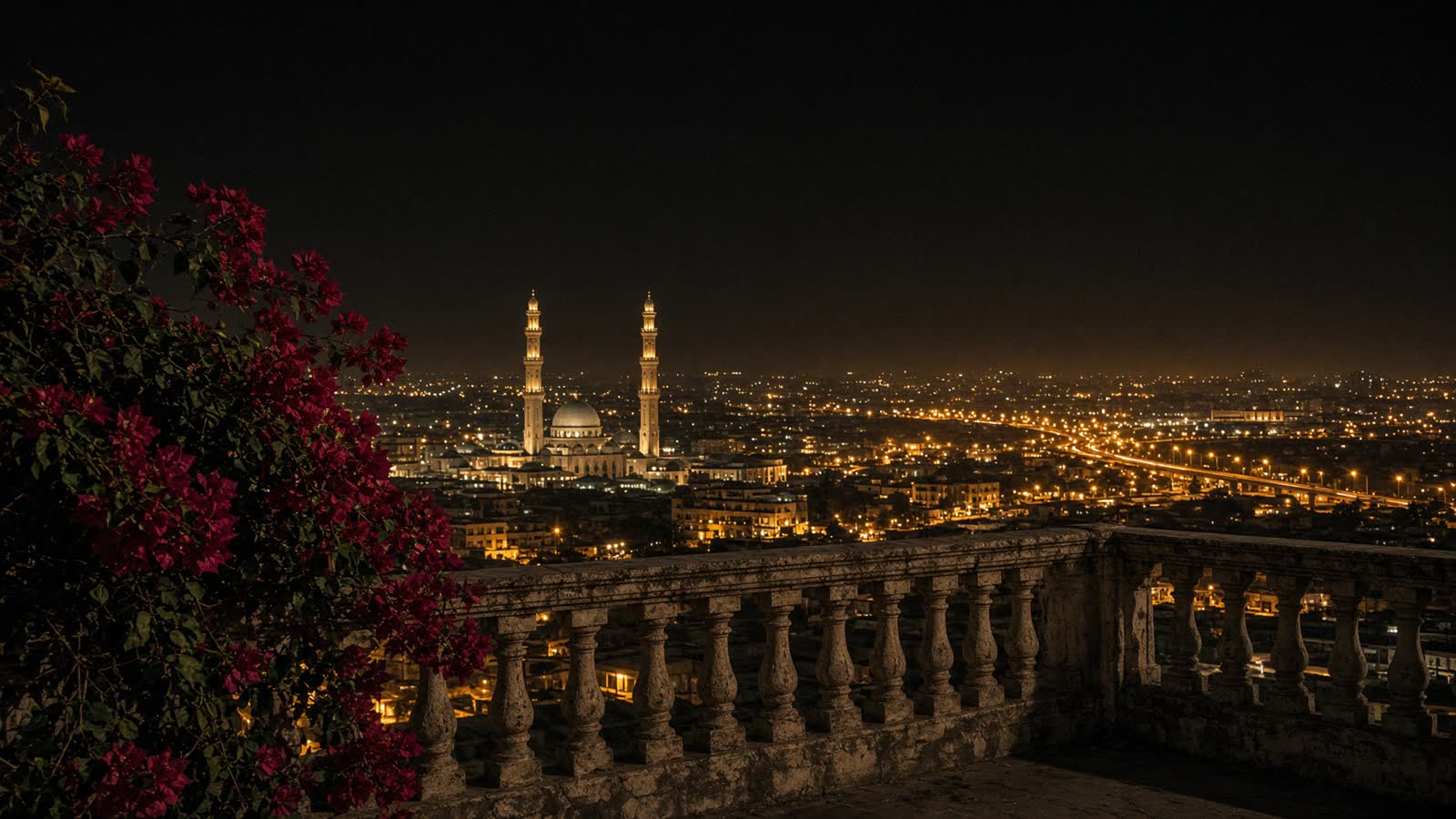
A capital, not a kingdom
Kano has walls. Zaria (Zazzau) has a dynasty. Kaduna has a railway, a cantonment, and a memory of being the administrative heart of colonial Northern Nigeria. Sir Frederick Lugard chose the site; by 1917 it was the capital of the Northern Region. Files, uniforms, and compounds arrived before romance did.
That matters socially. Standing in Kaduna has always been mixed: military officers, civil servants, old Northern political families, and later oil and contracting money. You can buy a house in the GRA. You cannot buy the feeling that your people have always known how to sit in a room.
What the city is for
Kaduna is a hinge. South of it, the Middle Belt and the rest of Nigeria; north of it, the old Hausa–Fulani cities. It is a garrison town, a civil-service town, a polo-and-club town, and — for families of a certain standing — a place where everyone is eventually in everyone else’s wedding photographs.
The Nigerian Defence Academy sits here. So do old government quarters, textile ghosts, the refinery’s long shadow, and the quiet wealth of people who never needed to explain themselves on Instagram. The city’s elite language is understatement. Loudness is for people who have something to prove.
A working rule
If you want to understand a Kaduna family of means, do not start with their cars. Start with where the children went to school, which uncle still takes the important calls, and which mosque or church the grandparents helped build. The rest is decoration.